
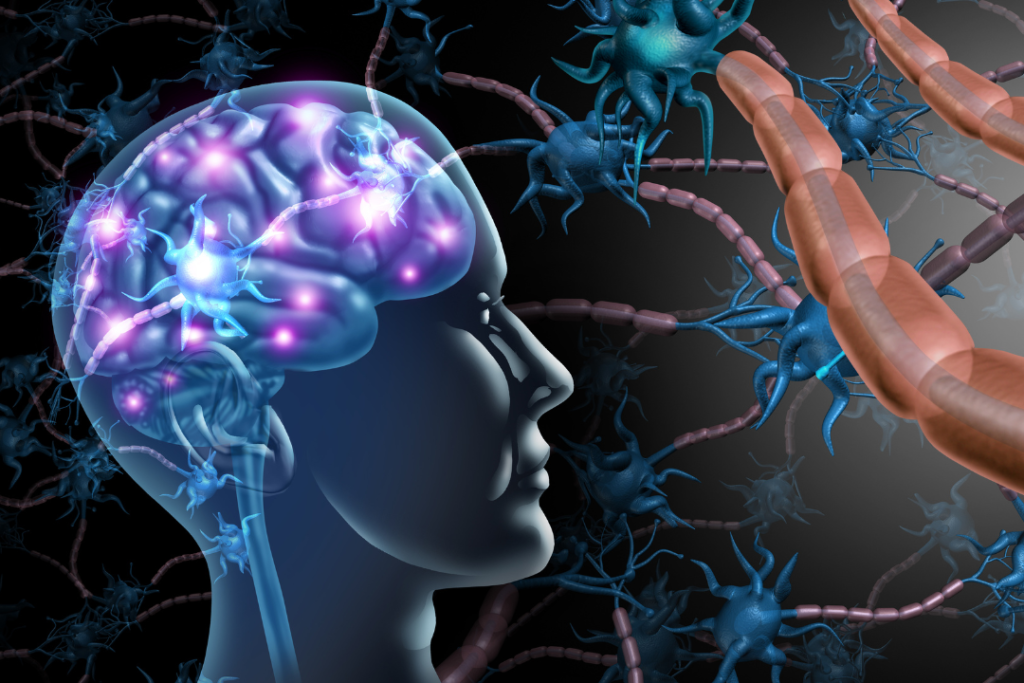
Neurodiversity refers to the natural variation in how people think, process information, and interact with the world. In recent years, awareness of neurodivergent conditions such as ADHD, autism, and dyslexia has increased — but awareness alone does not guarantee meaningful support.
Many neurodivergent employees continue to adapt themselves quietly to fit workplace norms, often at significant personal cost.
The Hidden Effort of “Fitting In”
Research suggests that a large proportion of neurodivergent adults engage in “masking” — consciously suppressing or adjusting their natural behaviours to appear more typical at work. This sustained effort is associated with:
- Chronic stress and fatigue
- Increased anxiety
- Higher risk of burnout
In Singapore’s structured and fast-paced work environments, this pressure can be amplified, especially when expectations around communication and performance are implicit rather than explicit.
Practical Support That Makes a Difference
Inclusive support does not require major structural change. Small, practical adjustments often have the greatest impact:
- Providing clear written instructions alongside verbal ones
- Offering predictability in deadlines and expectations
- Allowing flexibility in communication styles and work environments
These practices benefit not only neurodivergent colleagues, but many employees who value clarity and psychological safety.
Creating Psychological Safety, Not Labels
Effective support is not about diagnosing or labelling employees. It is about creating conditions where people can work in ways that suit their strengths without fear of judgement.
When teams normalise conversations about working preferences — rather than personal disclosures — neurodiversity becomes part of everyday inclusion, not a special accommodation.
Conclusion
Supporting neurodivergent colleagues goes beyond awareness campaigns. It requires thoughtful, practical adjustments and a willingness to recognise different ways of thinking as valuable. When workplaces reduce unnecessary stressors and increase clarity, everyone benefits — and inclusion becomes a lived experience, not just an idea.