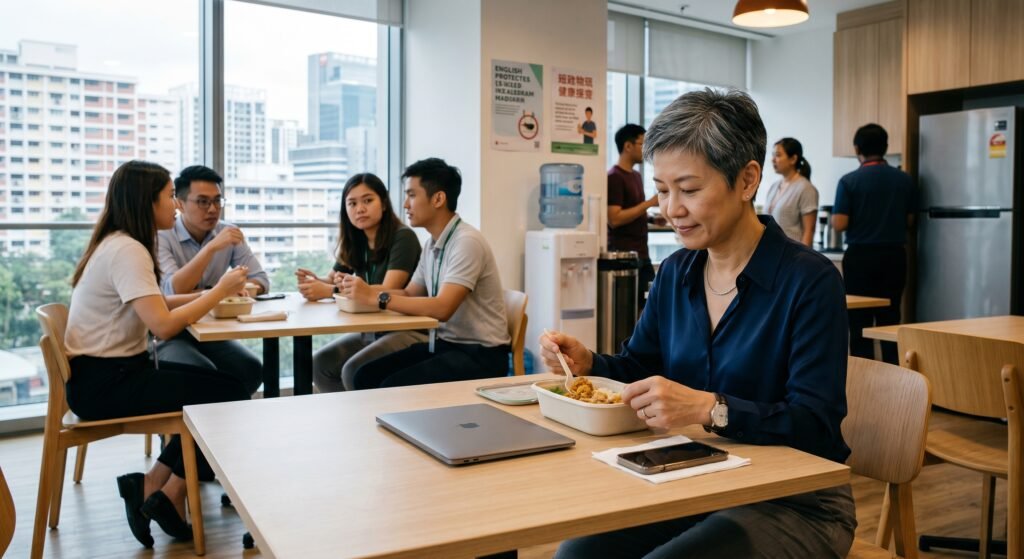

They’re at their desk. They’re in the meetings. They’re responding to emails. But something is off.
Presenteeism — coming to work while unwell, distressed, or mentally depleted — is one of those workplace patterns that hides in plain sight. Unlike absenteeism, there’s no empty chair to notice. The employee is right there. But they’re running on fumes.
A 2024 workplace health survey found that presenteeism costs Singapore employers significantly more than absenteeism, with employees reporting an average of several weeks per year where they were physically present but unable to perform at their usual level — often due to stress, poor sleep, anxiety, or unresolved personal challenges.
Why Presenteeism Is Easy to Miss
On the surface, a present employee looks like an engaged employee. But presenteeism often reveals itself through subtler signs:
- Slower decision-making and more frequent mistakes
- Withdrawal from team discussions — being in the room but not really contributing
- Lower energy and creativity, especially in tasks requiring focus or collaboration
- A pattern of “just getting through the day” rather than feeling purposeful
Many employees don’t even recognise it in themselves. They push through because taking time off feels risky, because the workload won’t wait, or because they genuinely believe showing up is what matters most.
What Drives It in Singapore
Several cultural and workplace factors make presenteeism especially common here:
The “face time” expectation — in many Singapore workplaces, being seen at your desk still matters more than whether you’re actually productive. Leaving early or taking a sick day for mental health reasons can feel career-limiting.
Limited mental health days — while awareness is improving, many organisations don’t yet treat mental and emotional exhaustion with the same legitimacy as physical illness. Employees may feel they can only justify time off with a visible, “real” ailment.
High workload cultures — when everyone around you is powering through, stepping back feels like letting the team down. So employees keep showing up, even when they have very little left to give.
What Organisations Can Do
Tackling presenteeism starts with shifting the mindset from “are they here?” to “are they well?”:
- Redefine what good attendance looks like — reward outcomes and contribution, not just physical presence
- Make it genuinely safe to take mental health days — this means leaders modelling it, not just policies allowing it
- Train managers to look beyond surface-level presence — a simple “You seem a bit flat this week — is everything okay?” can open a meaningful conversation
- Address root causes — if presenteeism is widespread, it’s often a sign of unsustainable workloads, insufficient recovery time, or a culture where vulnerability feels unsafe
The goal isn’t to police how employees feel. It’s to create an environment where showing up depleted isn’t the only option.
How Peers Can Make a Difference
Colleagues often notice presenteeism before managers do. You might spot a teammate who’s unusually quiet, making uncharacteristic errors, or just looking worn down. As a peer or well-being champion, you can:
- Gently check in — “You don’t seem like yourself lately. Want to grab a coffee?”
- Avoid judgement — someone pushing through isn’t lazy or disengaged, they’re likely struggling
- Normalise rest — sharing your own experiences of needing time to recharge helps reduce the stigma around stepping back
Peer support doesn’t mean diagnosing the problem. It means noticing, caring, and creating a moment where someone feels safe enough to be honest.
The Bigger Picture
Presenteeism is a signal — not of commitment, but often of a workplace culture that hasn’t yet made space for recovery. When organisations invest in genuine well-being — not just wellness perks, but meaningful support, safe conversations, and realistic workloads — employees don’t just show up. They show up well.
And that’s the difference that matters.