
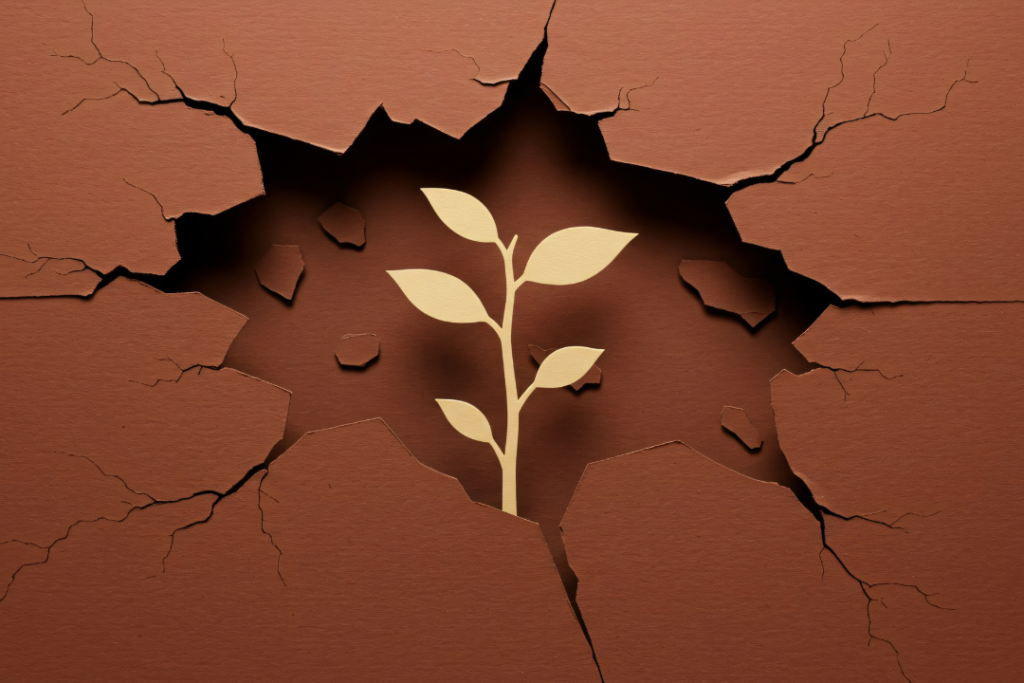
Resilience has increasingly become a buzzword in workplace well-being conversations. But resilience is often mistakenly reduced to a call for grit — telling employees to “just push through” stress and challenges.
In reality, resilience is about adaptation, recovery, and connection.
What Research Tells Us
Burnout and stress remain persistent issues in Singapore. According to the Wellness at Work Report, 61% of employees reported experiencing burnout recently — a figure that has changed little since 2022.
This suggests that mere expectations of perseverance are insufficient without supportive environments.
Resilience as a Sustainable Skill
Resilience involves multiple dimensions:
- Awareness of stress triggers and responses
- Coping skills that help manage demand
- Social support from peers and leaders
- Recovery practices that restore capacity
When resilience is reframed this way, it shifts away from individual toughness and toward conditions that help people adapt and recover.
Organisational Support for Resilience
Organisations can foster resilience by:
- Normalising conversations about stress and capacity
- Building psychological safety so concerns can be voiced early
- Providing access to structured support and reflection spaces
- Encouraging recovery through boundary respect and flexibility
Conclusion
Resilience is not about silently enduring stress — it is about adapting, resting, and connecting. When organisations support resilience in practical, systemic ways, they not only protect well-being, but also enhance sustained performance and engagement. Redefining resilience this way makes it a shared outcome, not just an individual expectation.