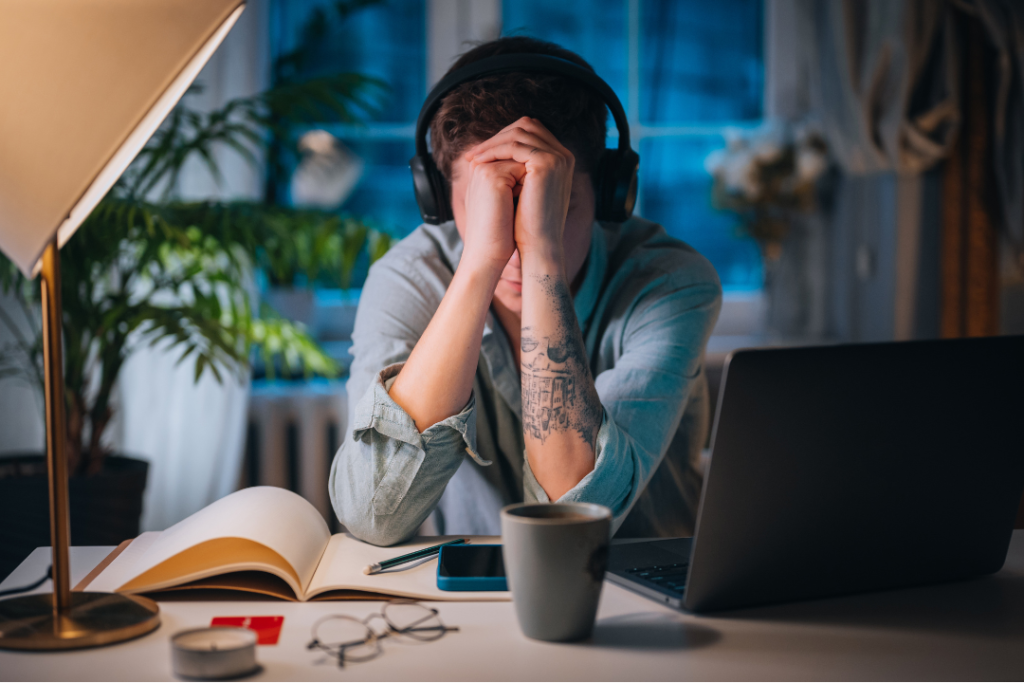
Stress is a common part of working life in Singapore. Tight timelines, multiple responsibilities, and high expectations mean that short bursts of stress are often unavoidable. Problems arise when stress becomes constant rather than situational.
Understanding stress as a pattern — not just a moment — helps individuals and organisations respond more effectively.
Acute Stress vs. Ongoing Stress
Not all stress is harmful. Short-term stress can sharpen focus and drive performance. However, when pressure remains high without adequate recovery, stress can begin to affect health, mood, and effectiveness.
Ongoing stress often shows up as irritability, fatigue, difficulty switching off after work, or feeling constantly “on edge.”
Why Stress Patterns Go Unnoticed
Many employees in Singapore are accustomed to pushing through discomfort. Over time, persistent stress can feel normal, making it harder to recognise when support is needed.
Because stress develops gradually, it is often only addressed when it leads to burnout, anxiety, or physical symptoms.
Interrupting the Stress Cycle
Breaking ongoing stress patterns does not require dramatic changes. Small, intentional actions can help reduce cumulative strain, such as:
- Reviewing workload distribution regularly
- Creating clearer boundaries around work hours
- Encouraging short recovery breaks during the day
- Reducing unnecessary urgency where possible
These adjustments help restore balance without lowering performance expectations.
Building Stress Awareness at Work
Psychological First Aid supports stress awareness by helping individuals notice early signs of overload and respond with care rather than criticism. When stress is addressed early, it is easier to manage and less disruptive for everyone involved.