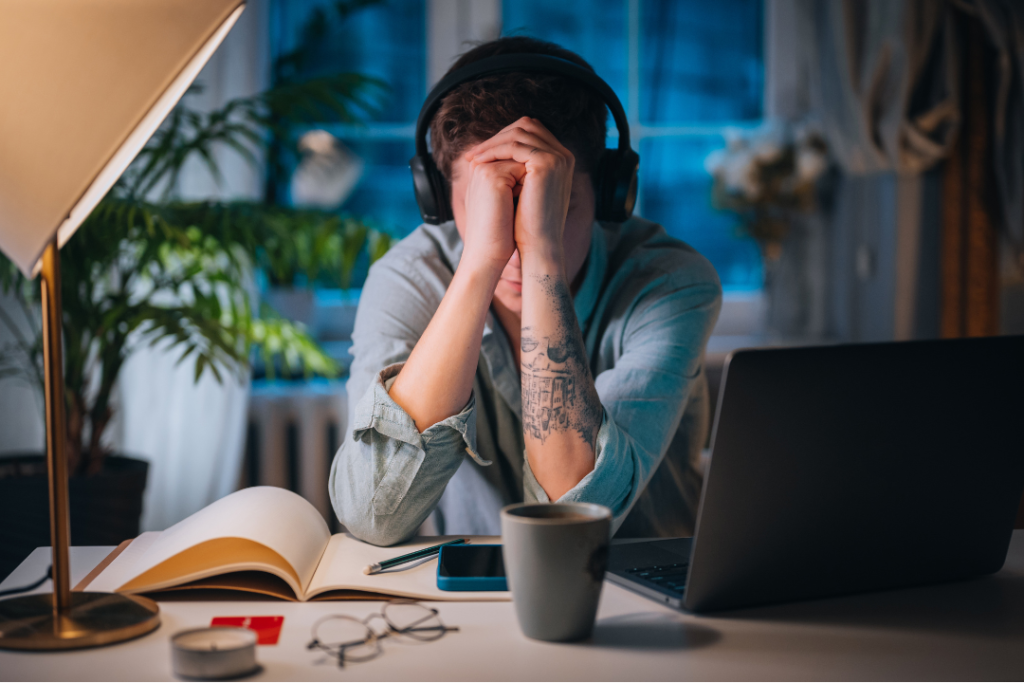

On particularly busy days, self-care can feel unrealistic. When schedules are full and demands are high, many employees in Singapore prioritise getting through the day over caring for themselves.
Yet these are often the moments when small self-care practices matter most.
Self-Care Does Not Have to Be Time-Consuming
Effective self-care at work is not about adding more tasks. Instead, it involves small adjustments that support regulation and focus, such as:
- Pausing briefly between meetings to reset
- Taking a few steady breaths during moments of pressure
- Noticing physical tension and releasing it intentionally
- Stepping away from screens when possible
These practices help reduce accumulated stress.
The Importance of Permission
Many employees know what might help them feel better, but hesitate to act due to perceived expectations. When organisations signal that rest, pauses, and boundaries are acceptable, self-care becomes easier to practise consistently.
Leadership behaviour plays a key role in setting this tone.
Self-Care as a Collective Effort
Self-care is often framed as an individual responsibility, but workplace culture strongly influences whether it is sustainable. Supportive teams that respect boundaries and check in on one another make it easier for everyone to stay well.
Skills from Psychological First Aid reinforce this collective approach by encouraging awareness, empathy, and early support.
Making Self-Care Part of Daily Work Life
In Singapore’s fast-paced work environment, self-care works best when it is integrated into everyday routines. When small practices are normalised, they help employees remain steady — even on the busiest days.