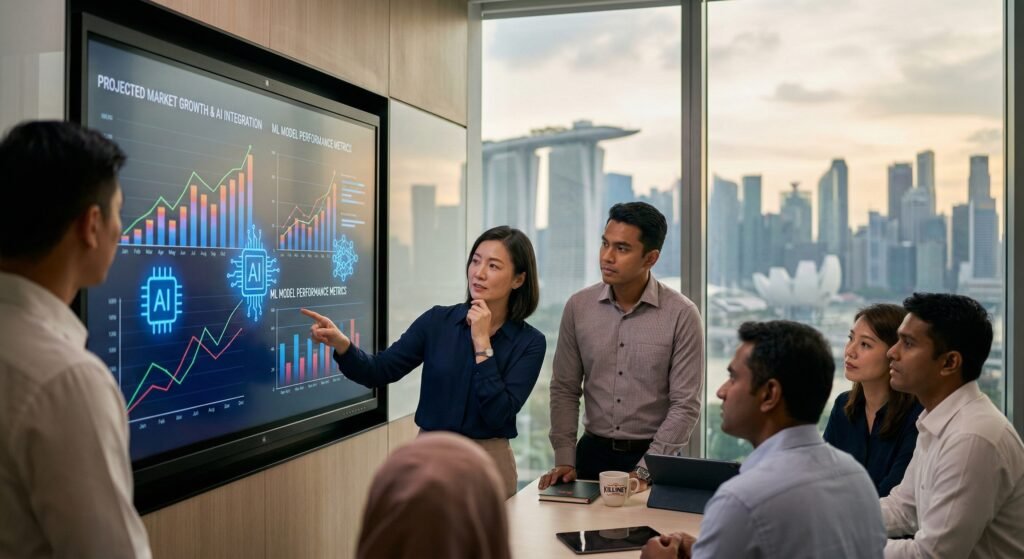
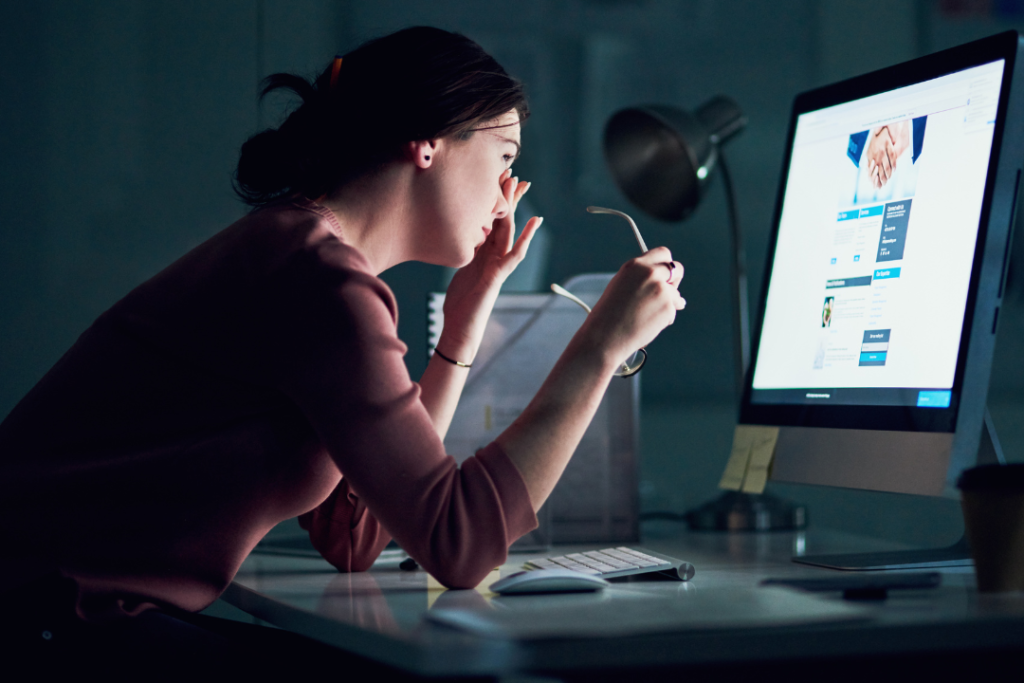
As hybrid and digital work continue to grow, many Singapore employees report rising screen fatigue, mental overload, and reduced focus. A 2023 HPB workplace health survey found that over 55% of employees feel mentally drained by prolonged screen time.
While digital tools improve productivity, excessive screen exposure can strain attention, disrupt rest patterns, and blur boundaries between work and personal life.
Signs of Digital Fatigue
Digital fatigue can show up as:
- Difficulty concentrating
- Eye strain and headaches
- Increased irritability
- Reduced creativity and motivation
- A sense of being “always on”
Over time, this can contribute to burnout, reduced cognitive performance, and emotional exhaustion.
Why Screen Stress Is Rising
The modern work environment often involves back-to-back virtual meetings, constant notifications, and pressure to respond quickly. Without clear norms around digital boundaries, employees may feel compelled to stay online beyond working hours.
Younger employees and knowledge workers are especially vulnerable, as their roles demand sustained digital engagement and rapid task switching — both of which tax mental energy.
Practical Workplace Strategies
Organisations can support healthier digital habits by:
- Encouraging meeting-free blocks or no-call hours
- Normalising offline breaks and micro-rests
- Setting boundaries around after-hours communication
- Training employees in focus management, stress regulation, and self-care skills
Peer-led well-being initiatives can also help reinforce healthy digital norms across teams.
The Role of Leadership and Team Norms
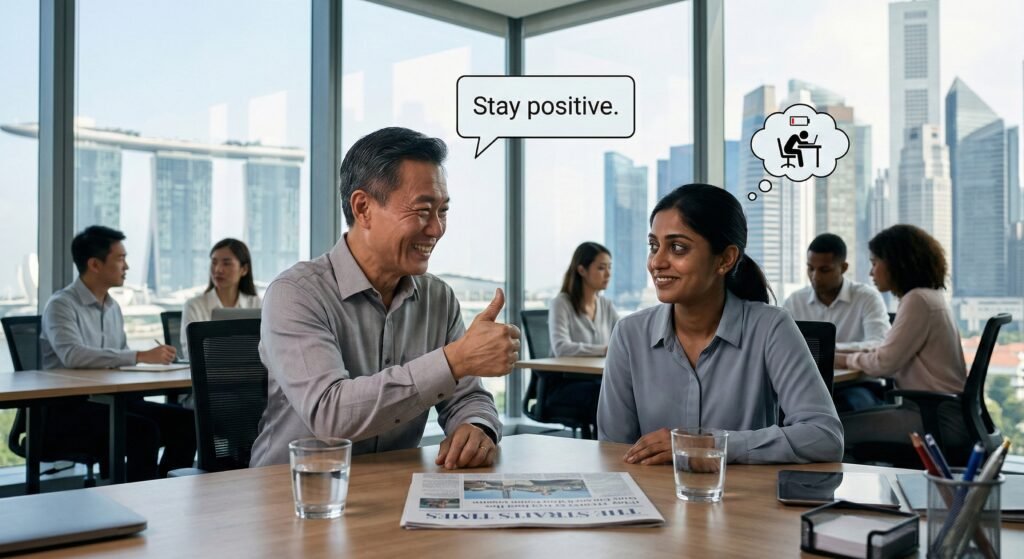
When leaders model healthy screen behaviour — such as delaying non-urgent emails after hours or taking visible breaks — it sends a powerful signal. Teams that co-create digital etiquette guidelines often experience better focus, reduced fatigue, and improved collaboration.
Conclusion
Digital tools are here to stay — but unmanaged screen overload can undermine mental well-being and productivity. By building healthier digital cultures and encouraging intentional rest, workplaces can protect employee energy, sustain performance, and support long-term resilience.