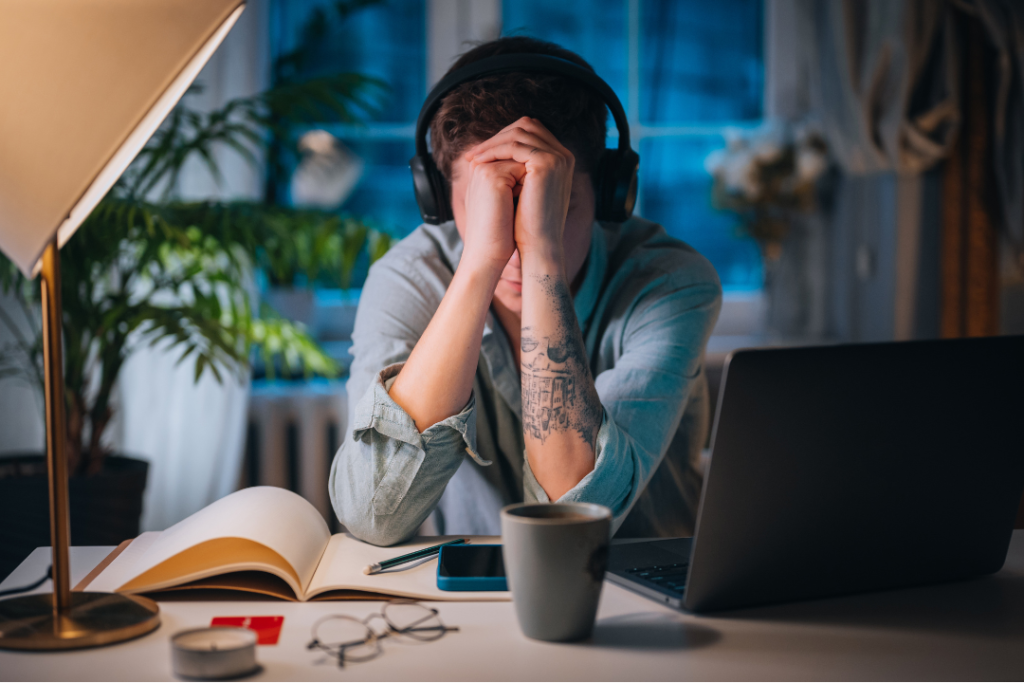

Anxiety is one of the most commonly experienced mental health challenges among working adults in Singapore. Yet it often goes unnoticed — or is dismissed as “just stress” — until it begins to interfere with daily functioning.
Recognising anxiety early helps individuals and workplaces respond before it becomes overwhelming.
How Anxiety Commonly Shows Up at Work
Workplace anxiety does not always look dramatic. In many cases, it appears subtly, such as:
- Constant worry about performance or making mistakes
- Difficulty concentrating despite effort
- Physical tension, restlessness, or fatigue
- Avoidance of certain tasks or conversations
Because these signs can overlap with normal work stress, they are easy to overlook.
Why Anxiety Often Goes Unspoken
In Singapore’s performance-driven environment, employees may hesitate to talk about anxiety for fear of being seen as weak or incapable. Many choose to manage silently, hoping the feeling will pass once deadlines ease.
However, anxiety that persists without support often intensifies, especially during prolonged periods of uncertainty or high demand.
Supporting Anxiety Through Everyday Practices
Addressing anxiety at work does not require clinical interventions. Simple, supportive actions can make a meaningful difference, such as:
- Clarifying expectations and priorities
- Reducing unnecessary urgency where possible
- Encouraging regular breaks during demanding periods
- Creating space for employees to raise concerns early
These practices help lower baseline stress and reduce anxiety triggers.
Responding with Care and Confidence
Psychological First Aid offers a practical way for managers and colleagues to respond when anxiety is noticed — by listening, acknowledging concerns, and guiding individuals toward appropriate support without judgement.
When employees feel understood rather than evaluated, they are more likely to seek help early.