Resilience and mental toughness are often discussed in high-performance workplaces. However, when misunderstood, these concepts can place unrealistic pressure on individuals to “push through” without support.
A sustainable approach to resilience balances strength with flexibility and care.
Redefining Resilience
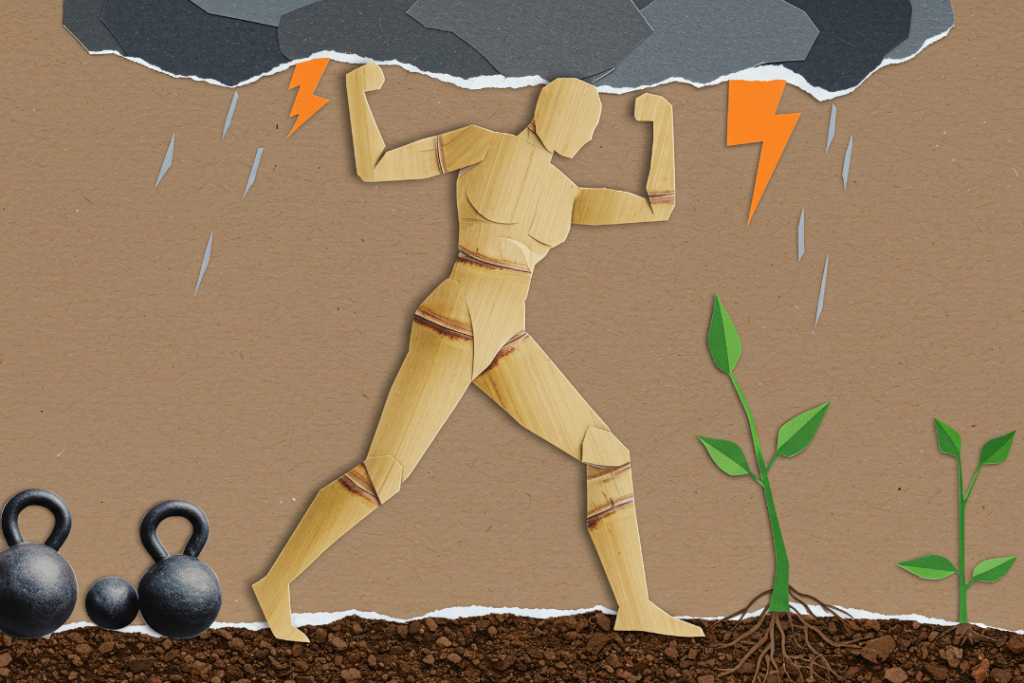
Resilience is not about ignoring stress or enduring hardship indefinitely. It is the ability to adapt, recover, and seek support when needed. True mental toughness includes knowing when to pause, adjust, and ask for help.
This perspective aligns resilience with long-term performance rather than short-term endurance.
Building Resilience Through Everyday Practices
Workplace resilience is strengthened by:
- Clear expectations and manageable workloads
- Psychological safety and open communication
- Opportunities for rest, reflection, and learning
- Supportive peer and leadership relationships
These conditions enable individuals to cope effectively with challenges.
The Role of Peer Support in Resilience
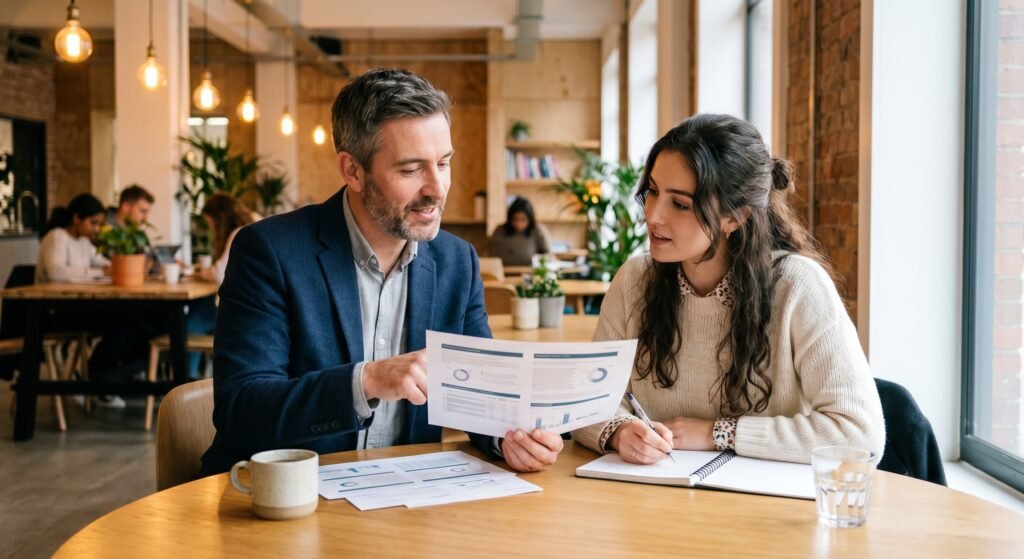
Peer support enhances resilience by reducing isolation and normalising challenges. When colleagues check in, share experiences, and offer practical help, employees are better equipped to manage stress and recover from setbacks.
Frameworks such as Psychological First Aid reinforce this approach by focusing on calm, connection, and practical support.
Strengthening Mental Toughness Without Harm
Mental toughness should not mean suppressing emotions or avoiding help. When organisations promote balanced resilience — supported by training, self-care, and peer support — employees are more likely to remain engaged, healthy, and effective over time.
By reframing resilience as a shared responsibility, workplaces create environments where people can perform well without compromising their well-being.