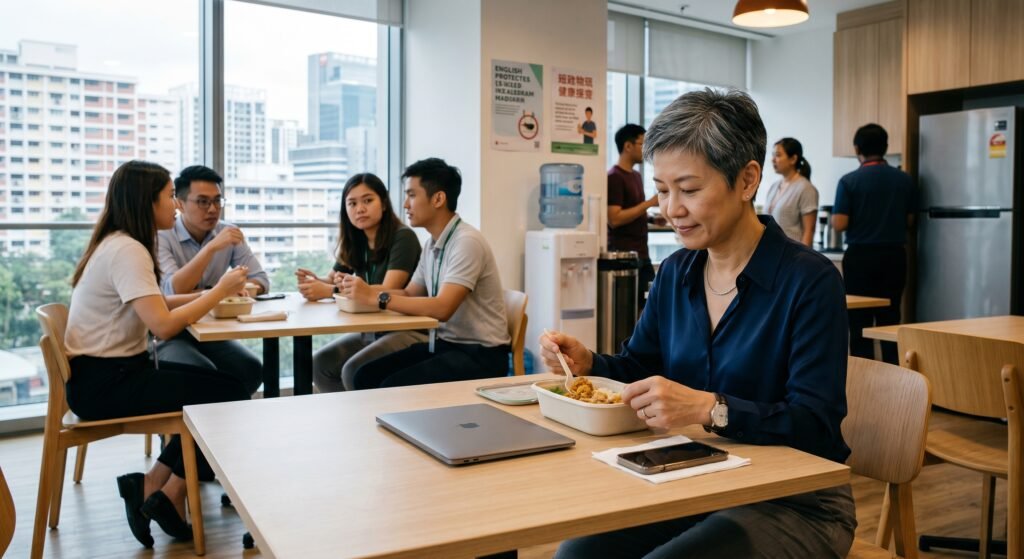

Mental health conversations do not happen in a vacuum. In Singapore workplaces, cultural norms, social expectations, and performance-driven environments shape how people speak — or stay silent — about well-being.
Understanding this context helps organisations have conversations that are respectful, relevant, and effective.
Cultural Influences on Mental Health Conversations
In many Asian cultures, including Singapore, values such as resilience, self-reliance, and maintaining harmony influence how mental health is perceived. Employees may hesitate to speak openly due to concerns about “losing face,” burdening others, or being seen as less capable.
These unspoken norms mean that distress often shows up indirectly — through presenteeism, withdrawal, or changes in performance — rather than explicit disclosure.
Creating Safe Entry Points for Conversation
Because disclosure may feel risky, everyday check-ins become especially important. Simple, neutral questions focused on workload and well-being allow conversations to begin without forcing personal details.
Peer support plays a key role here. Colleagues often notice early changes and can offer informal check-ins that feel less intimidating than formal discussions.
Moving From Silence to Support
When mental health conversations are framed around support rather than problems, employees are more likely to engage. Consistency, confidentiality, and respectful responses build trust over time.
Training approaches such as Psychological First Aid provide a shared language for recognising distress and responding calmly — without stigma or assumptions.